Natural Scientific Monastery
2024 Pratt Undergraduate Thesis
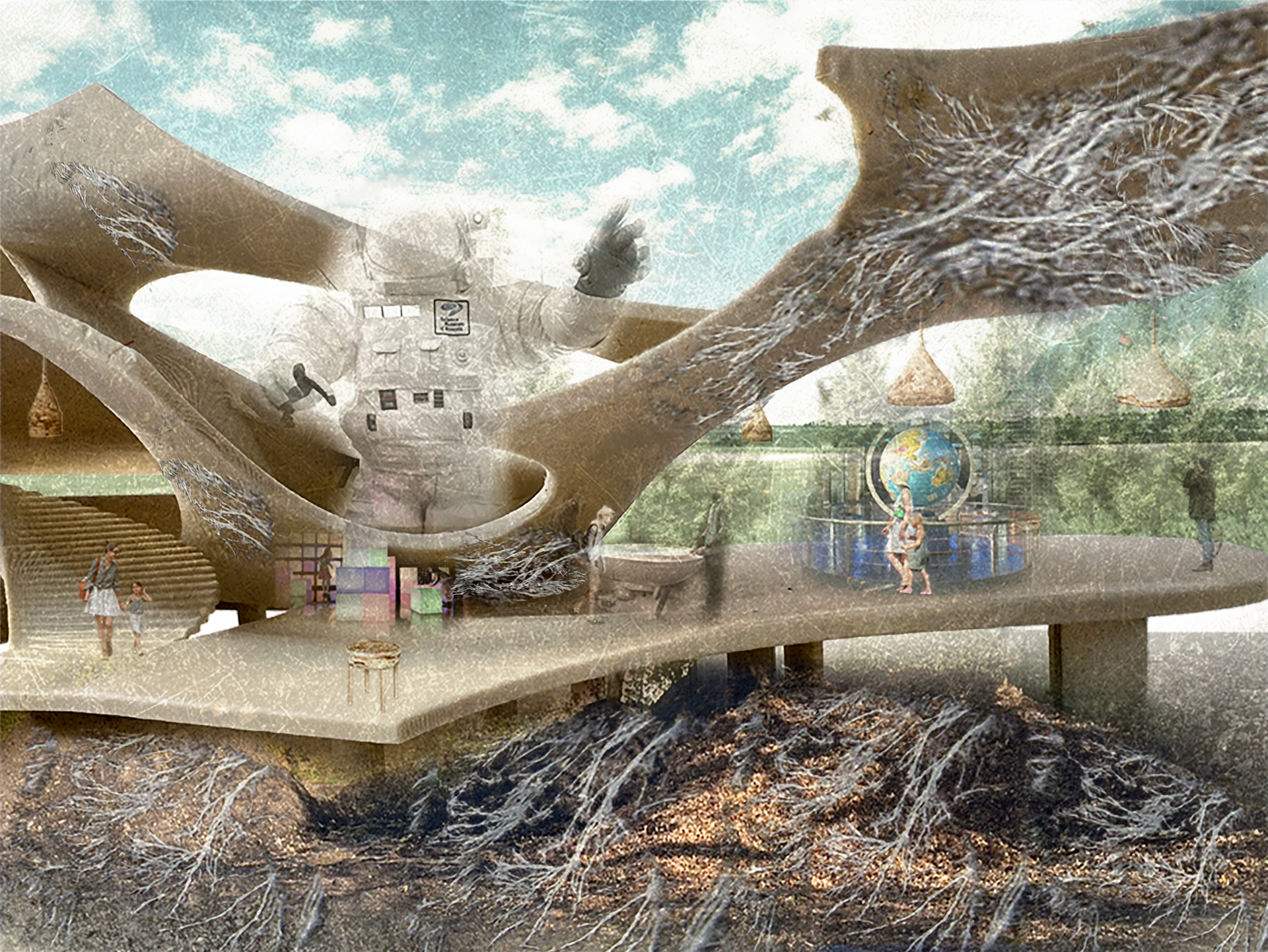
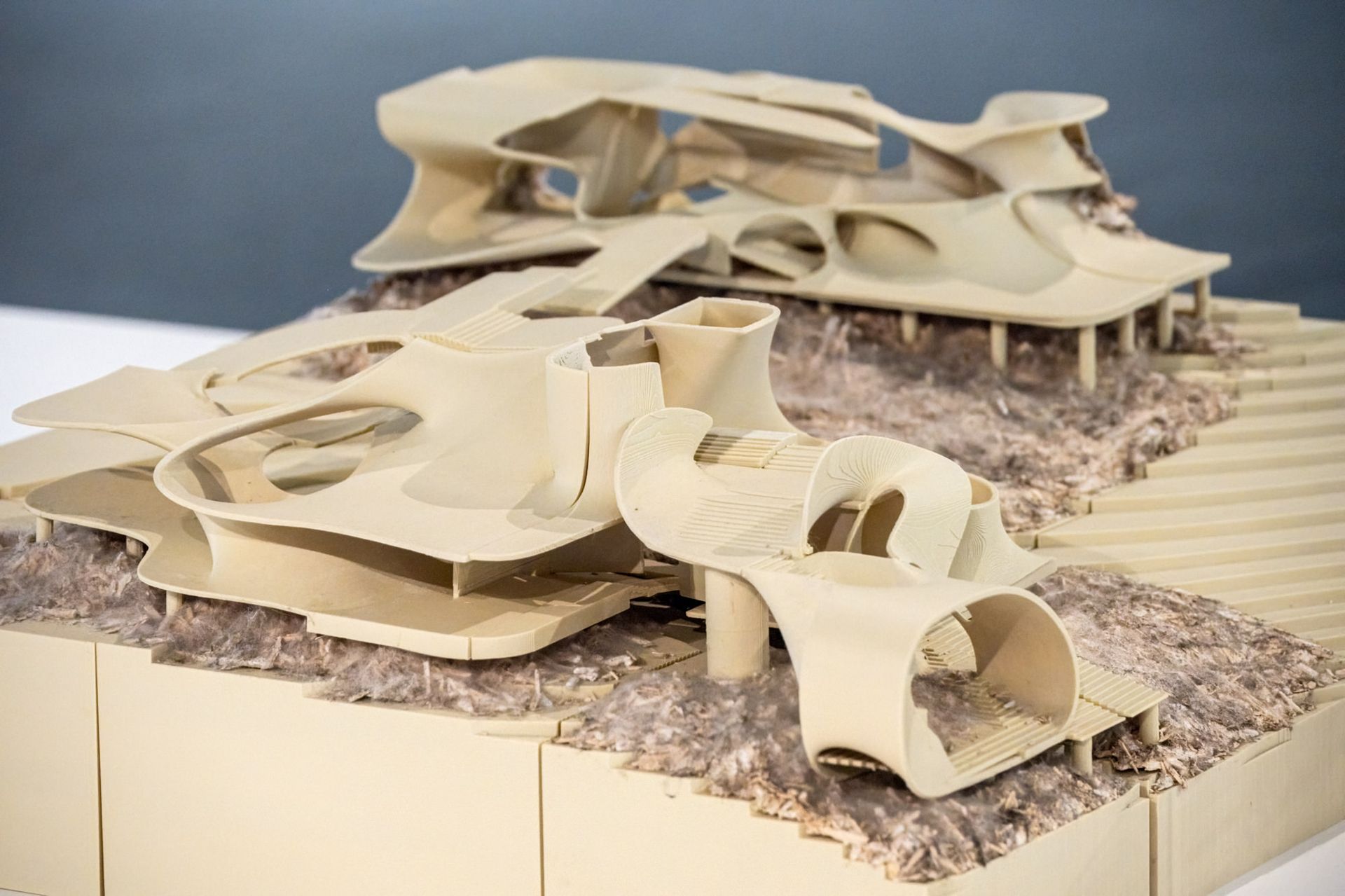
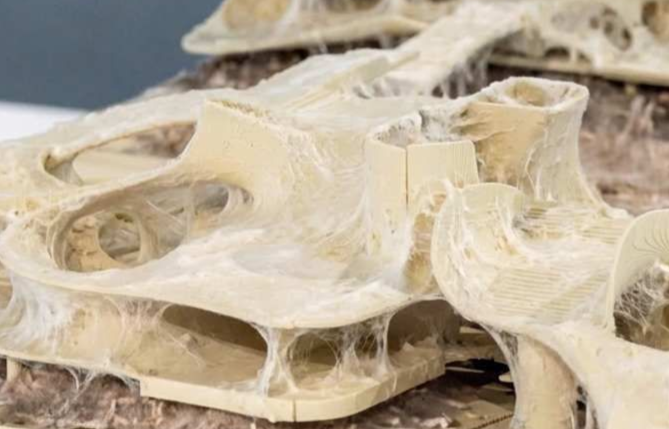
This thesis project explores a non-traditional design approach, transitioning from human-centric design to NON-HUMAN CENTRIC DESIGN principles to mitigate subjective influence in the design process. Through the use of biomaterials, artificial intelligence, and other non-human elements, this project aims to emulate natural processes in order to create a new spatial language, design methods, and usage scenarios in upper Central Park.
SEEN.TODAY
Model
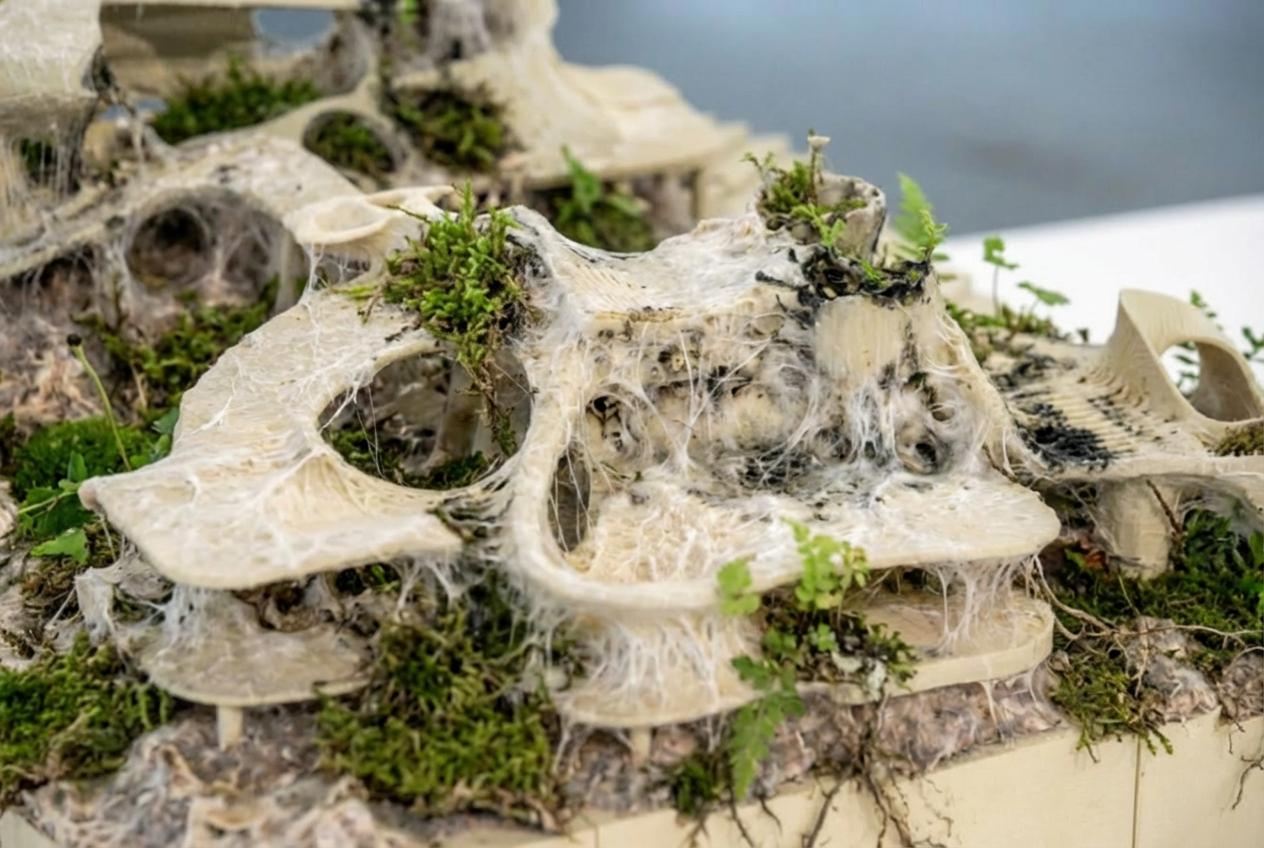
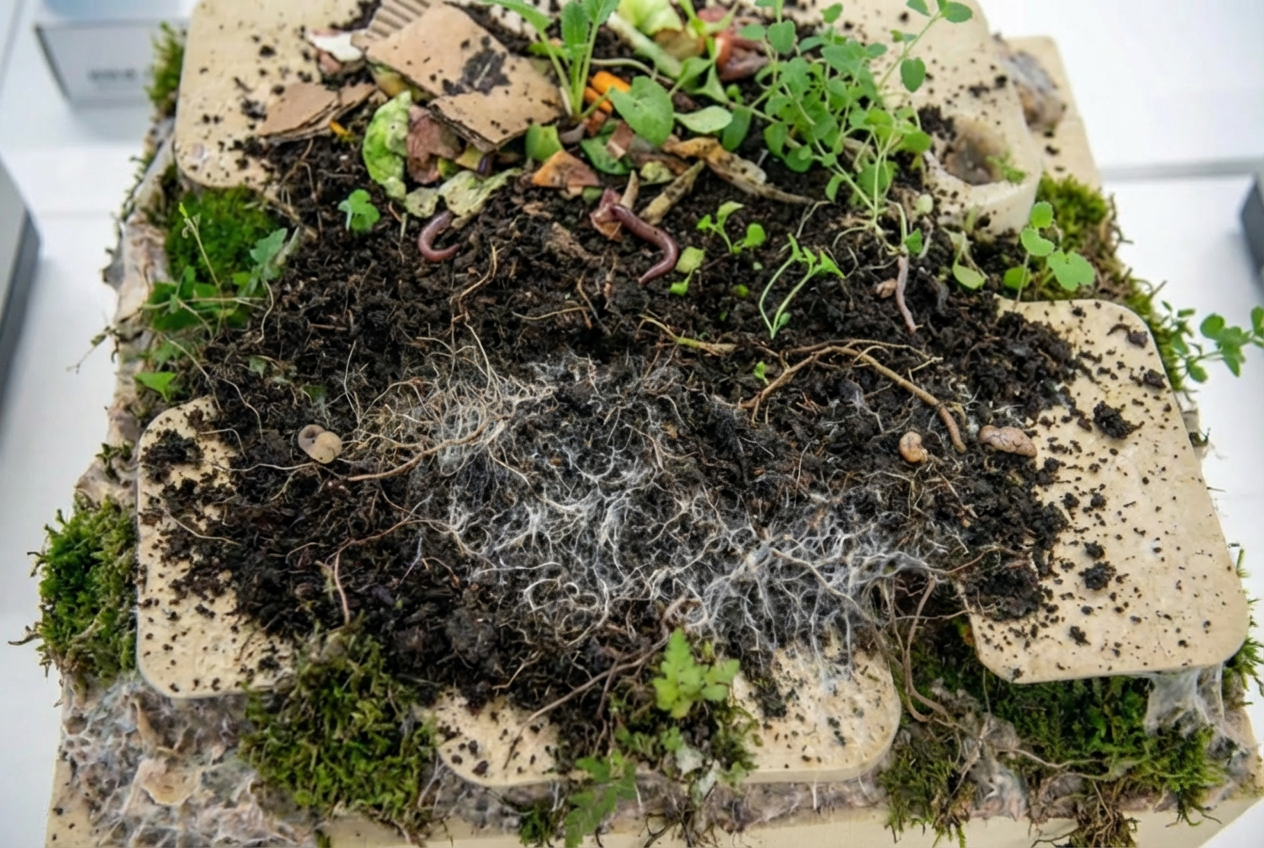
Lifecycle
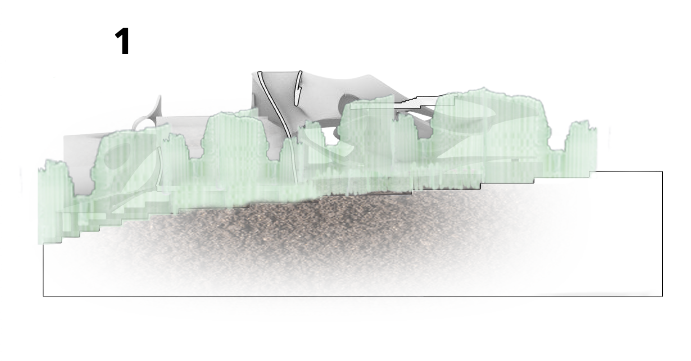
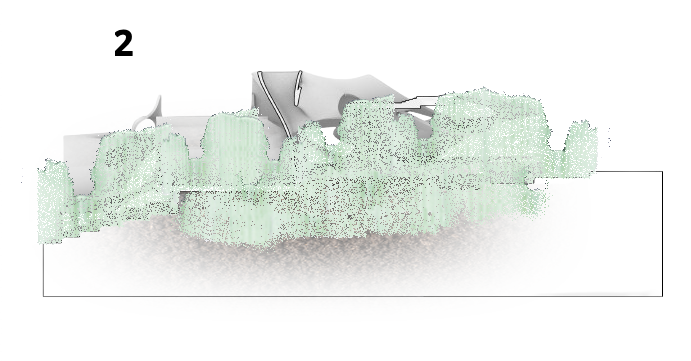
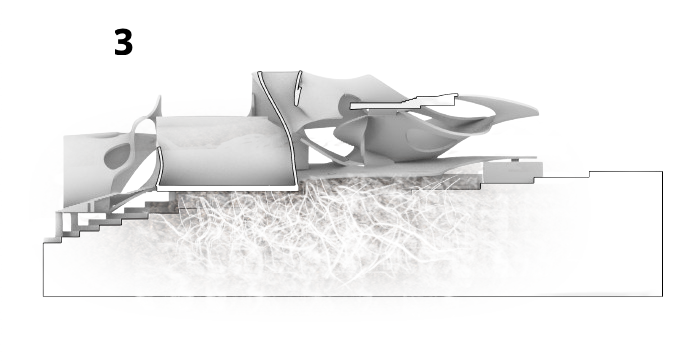
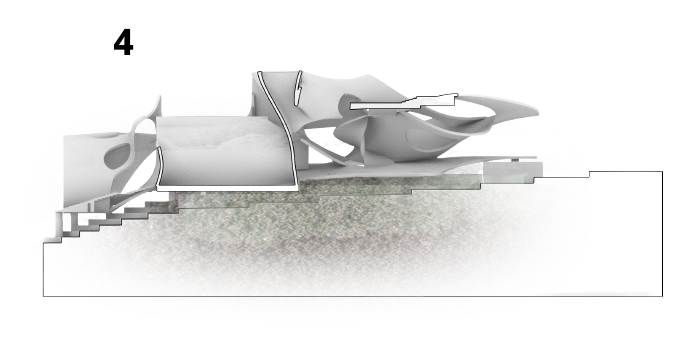
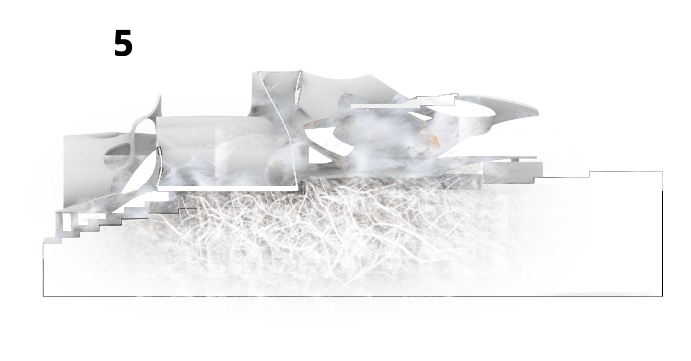
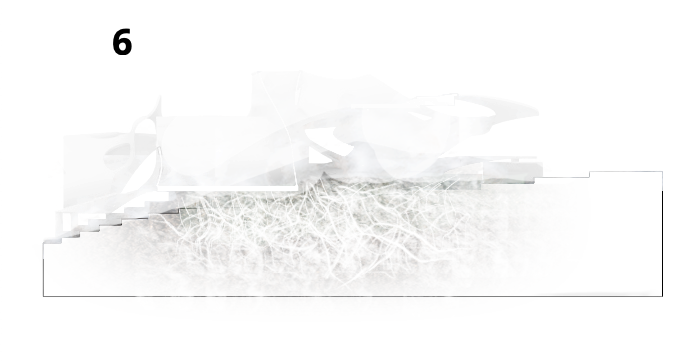
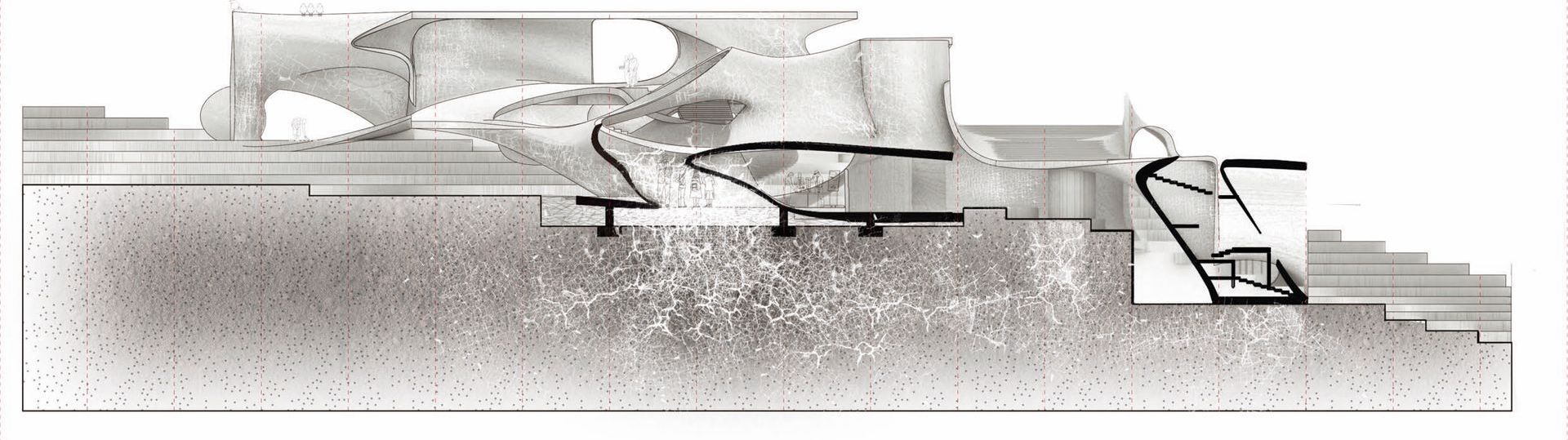
Section
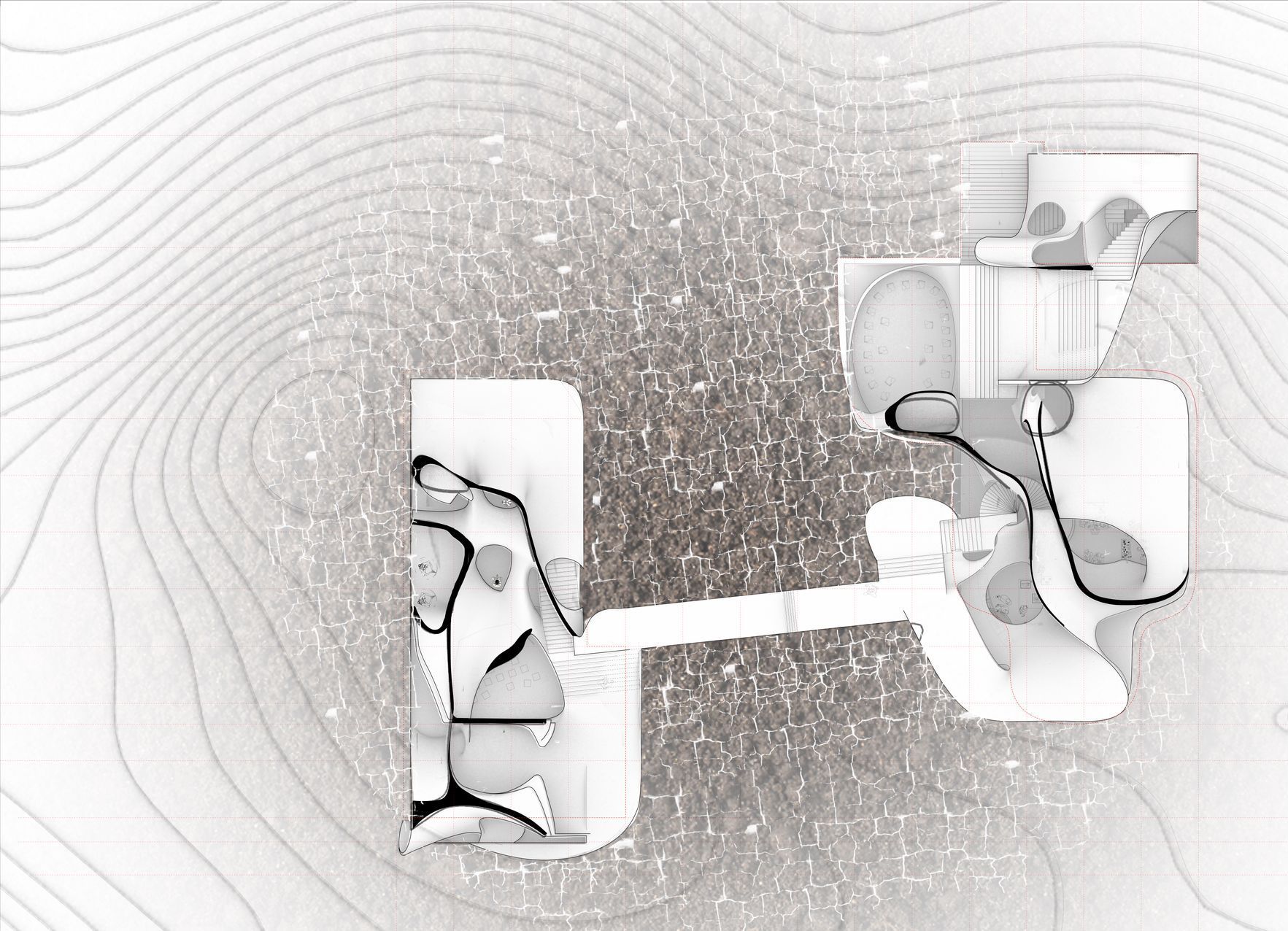
Plan
Design Method
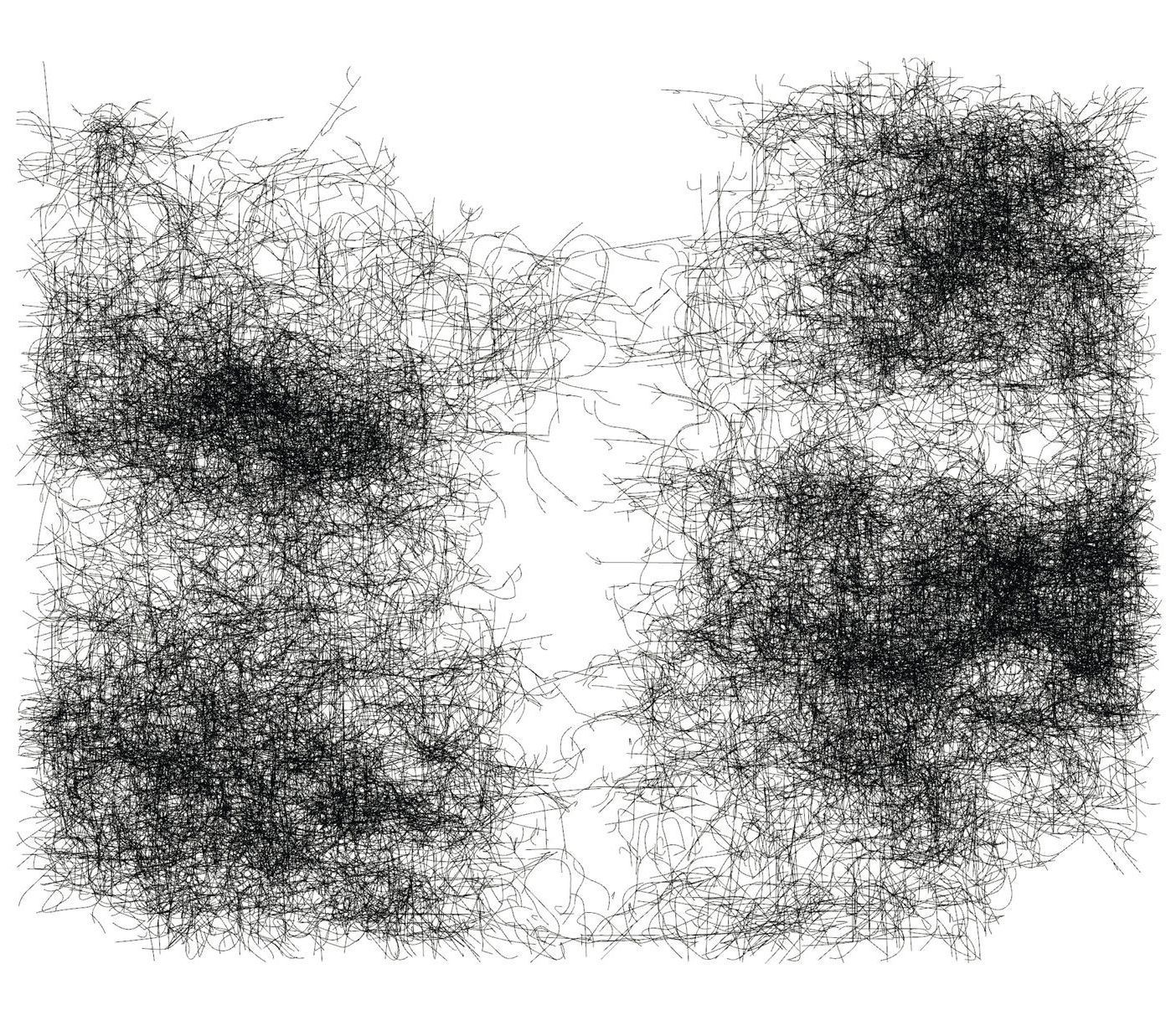
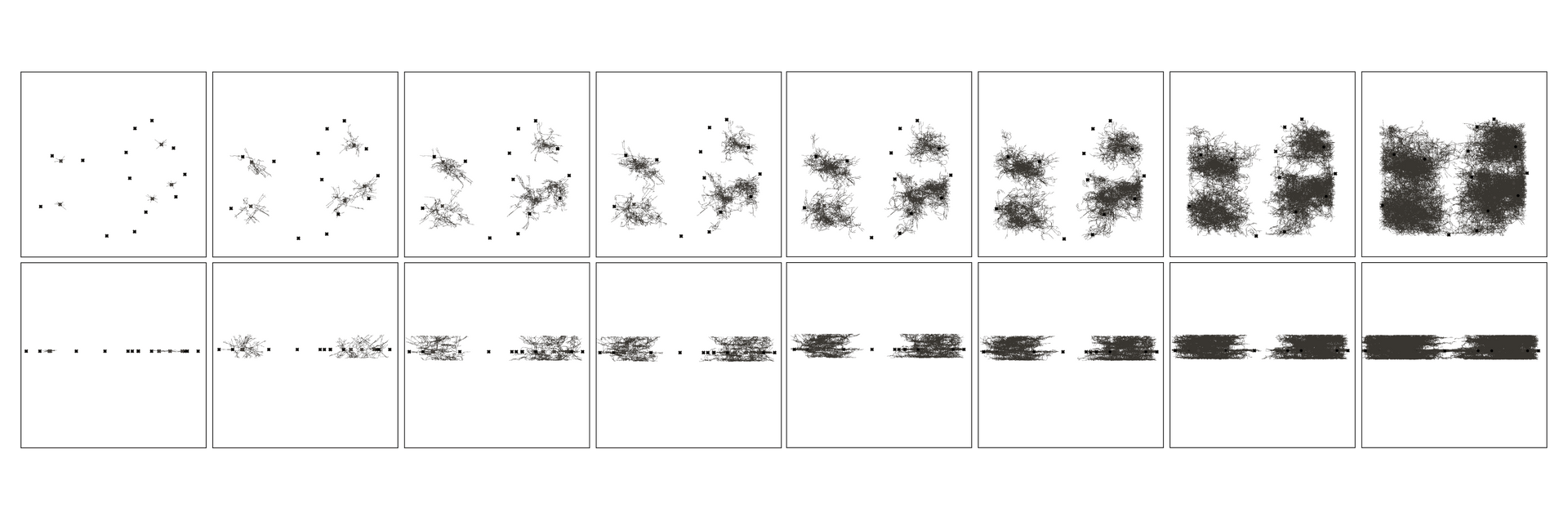
To minimize excessive subjective human intervention, I have based my study on the properties of mycelium. I used a computer and Grasshopper to simulate the growth of mycelium across my site. There are five designated compost piles on the map, which serve as "food points." Mycelium emerges from these points, connecting them and facilitating nutrient sharing.
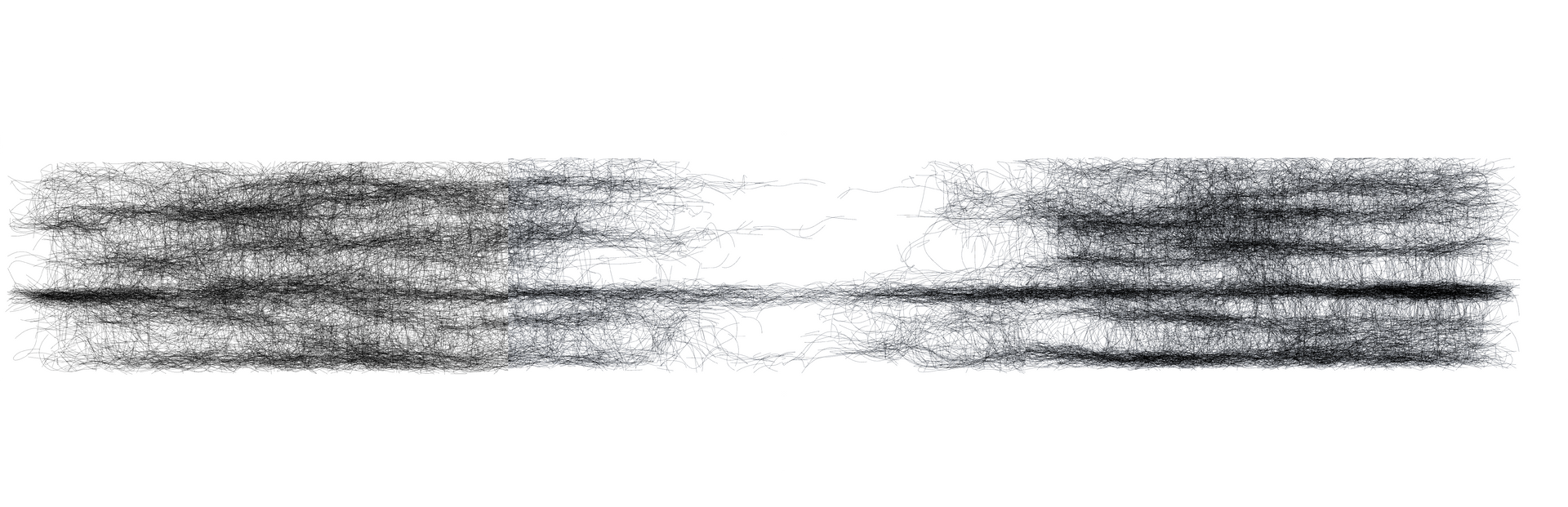
Computer- Calculated Section
Computer- Calculated Plan
Growth Simulation
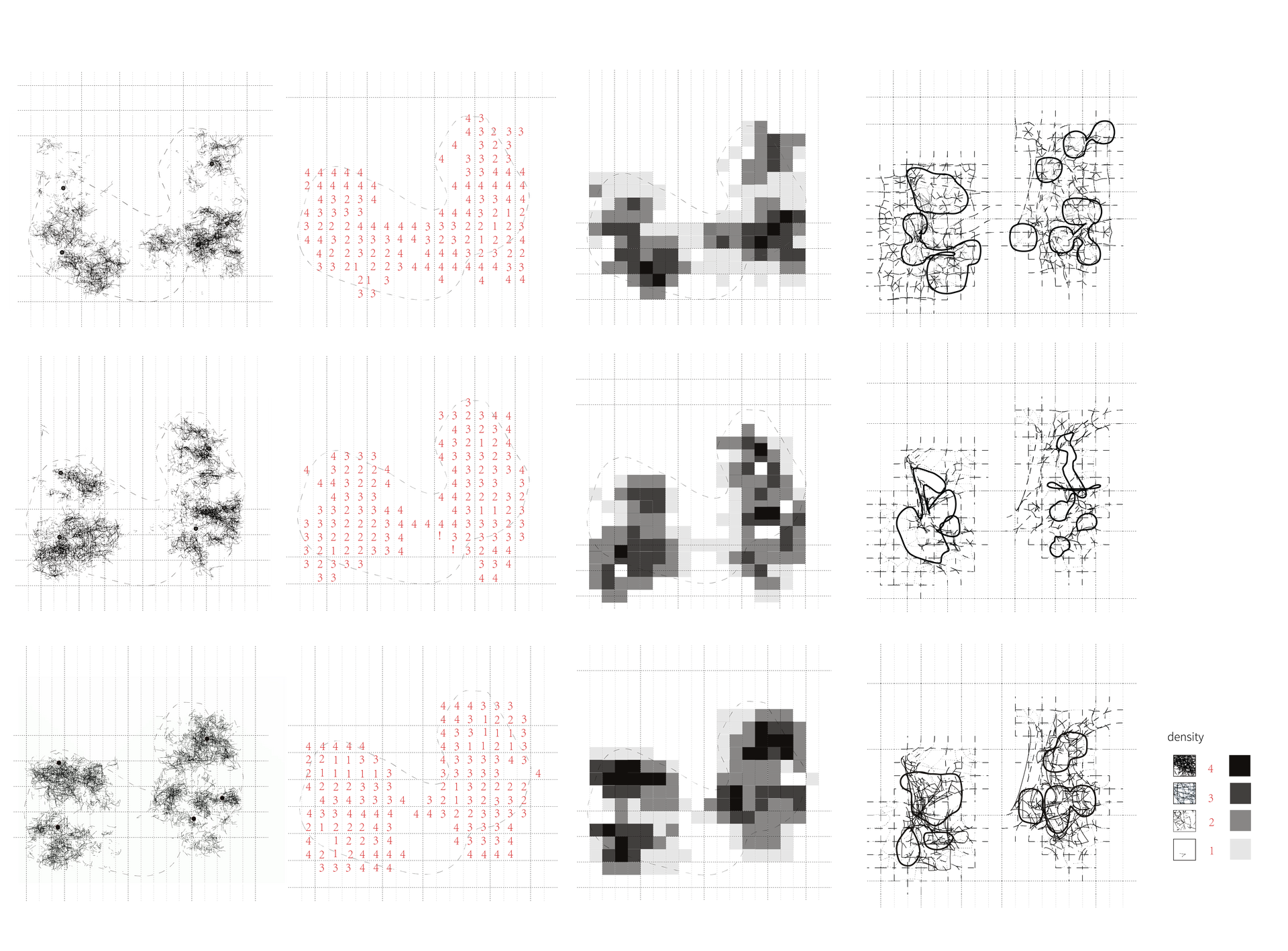

I divided it into three layers and, upon separating them, noticed their varying densities. I then labeled each layer according to its density and connected the areas with the highest density, labeled as 4, across adjacent floors in various ways. This process can be likened to creating a code.